
Where Shopify teams lose time
- Support inboxes and phone lines full of “where is my order?” and returns-policy questions
- Inventory and order data copied between the store, a warehouse system and spreadsheets
- A large catalog where bestseller lists and basic filters hide most of the products
- Wholesale follow-ups, outreach and reorder reminders done by hand
What does AI automation for a Shopify store involve?
It means agents and automations that read your own store data (orders, products, policies) and take one defined action: answer a status question, rank products for a shopper, update a record, draft a follow-up. Anything that moves money or changes a customer record sits behind a rule or a human approval, so you can supervise it.
Proof: what we have built for ecommerce
We built a live kidswear store, M&E Garments, with its own admin portal and an AI assistant that recommends outfits from the current catalog and checks parcel status. It is a custom build rather than a Shopify theme, but it solves the same shopper and operations problems. We also built a private RAG product recommender that ranks a catalog-heavy store’s products with a reason merchandisers can read.
Work that applies to a Shopify team
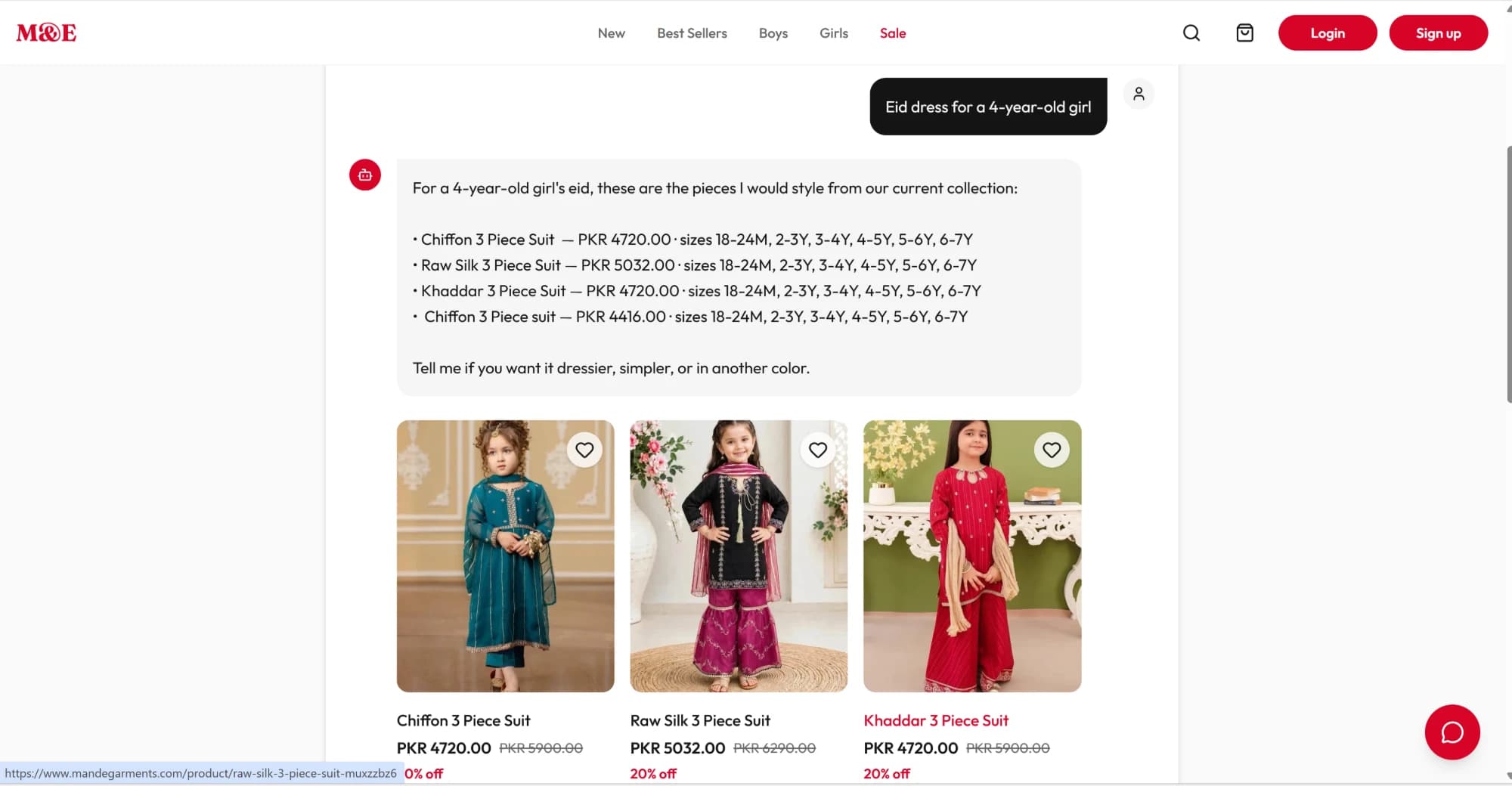
M&E Garments Storefront
A live kidswear store with an admin portal and an AI assistant that recommends from the catalog and tracks parcels. Custom build, not Shopify.
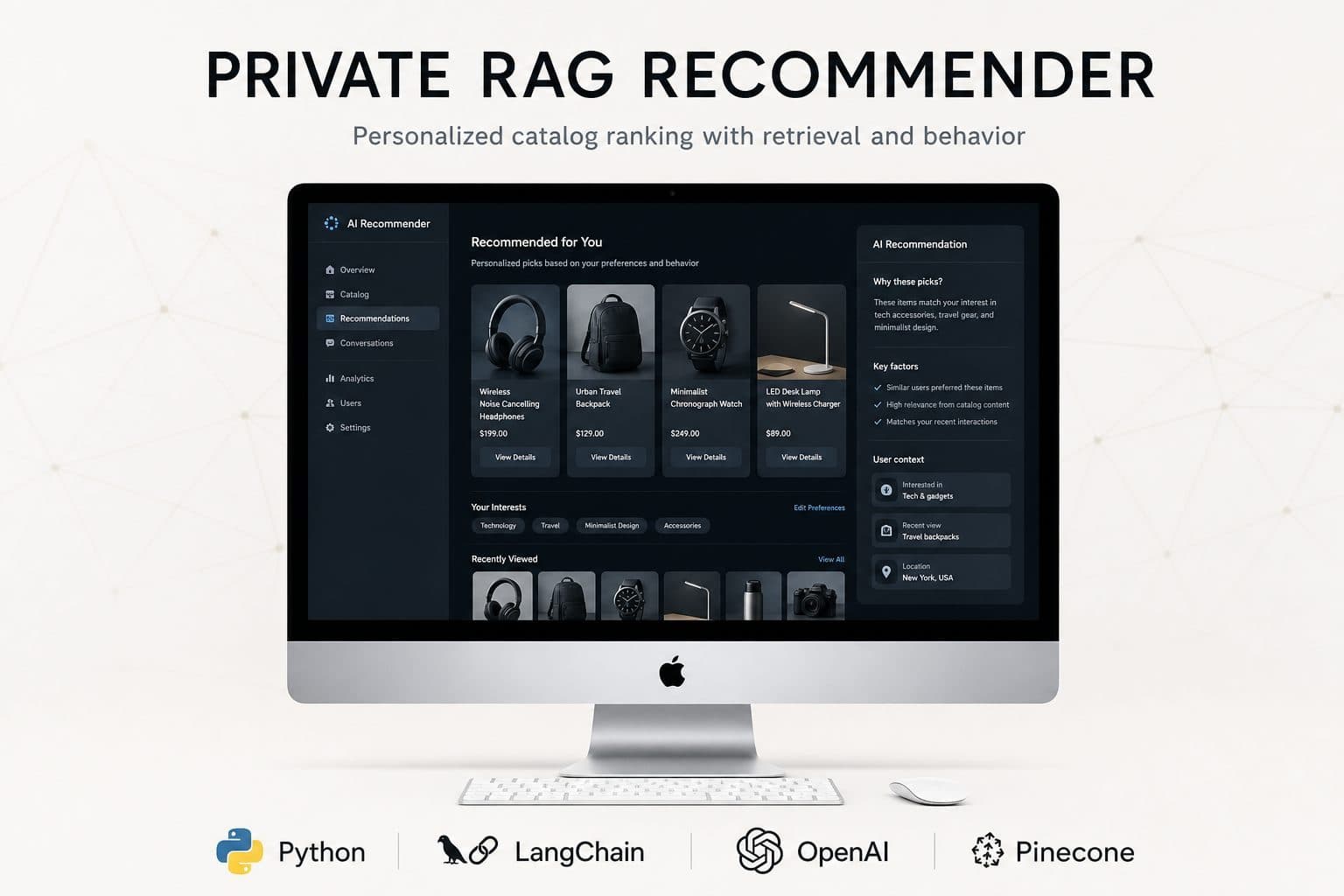
Private RAG Product Recommender
Product ranking from the store’s own catalog knowledge, with a visible reason for each result.
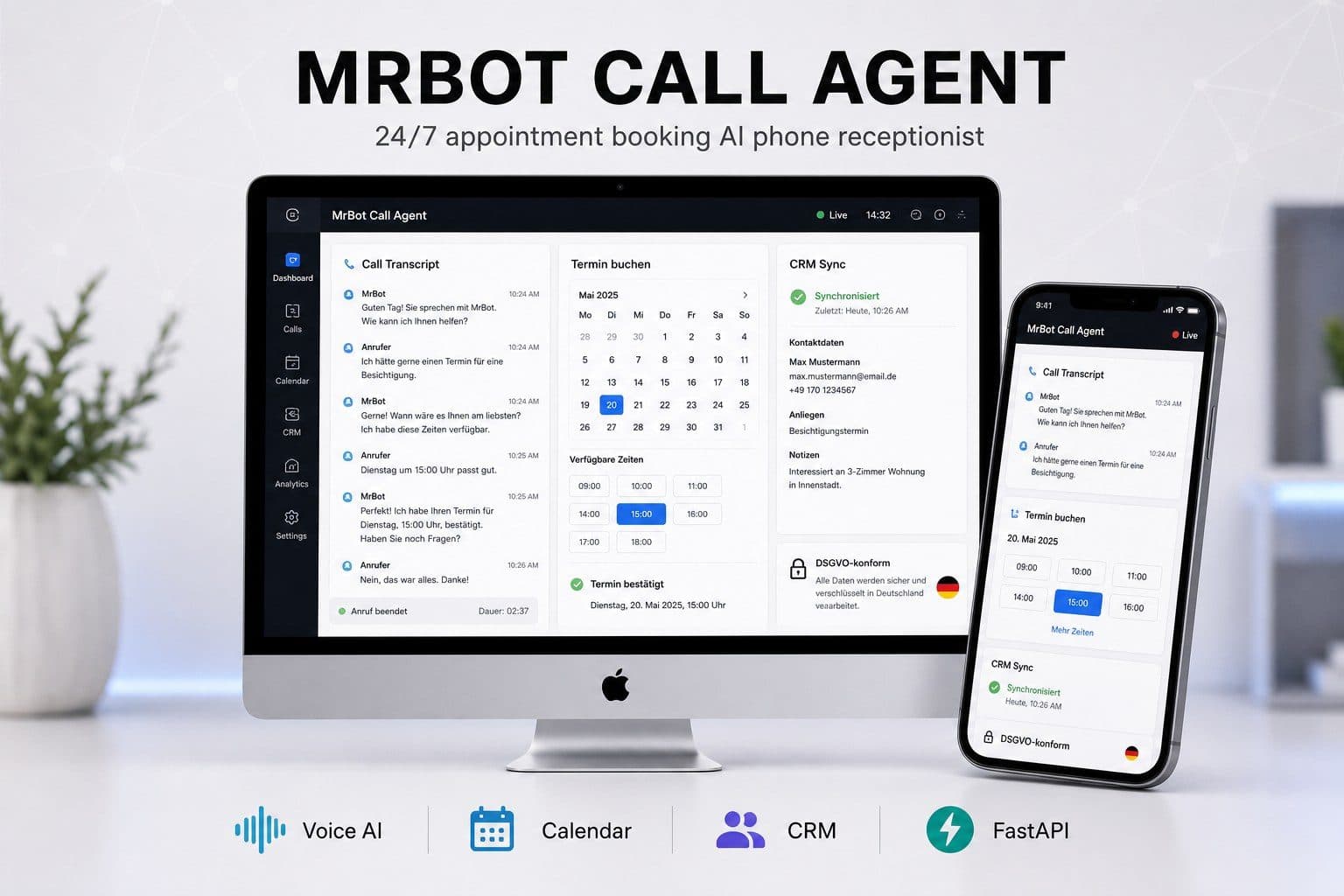
MrBot Call Agent
A phone agent that answers every call, books appointments and updates the CRM.

ReachPilot
Personal outbound email sent from your own inboxes, which stops when someone replies.
How a first project runs
- Pick one workflow. Usually order status, returns questions or product discovery. We agree what “working” means before building.
- Connect read-only first. The agent starts by reading orders, products and policies. Write access comes later and only where you want it.
- Build with approvals. Routine answers run unattended. Refunds, order changes and anything customer-facing that is new go through a rule or a person.
- Measure on real traffic. We review real tickets and calls with you, tune, then widen to the next workflow.
Related work and reading
Frequently asked questions
Do you only work with Shopify?
No. The patterns apply to any commerce stack. Shopify is where most small and mid-size merchants start, so we scope there first and confirm API access during discovery.
Will an AI agent issue refunds or change orders on its own?
Only if you decide it should. Reads such as order status and tracking can run unattended. Actions that move money or change a customer record sit behind rules or a human approval.
Is our customer and catalog data shared with other merchants?
No. Retrieval runs over your own catalog and policies and is not pooled into a shared index. Which model provider processes the data, and under what terms, is agreed with you up front.
How do we start?
Tell us the process that costs your team the most time. We scope one workflow, agree the success criteria, then build. Book a call to begin.