
Where 3PL teams lose time
- Clients asking where an order or shipment is, by email and phone, all day
- Exceptions such as delays, damage or short picks found late because nobody watches every order
- Order and inventory data re-keyed between client stores, the warehouse system and spreadsheets
- Each new client means rebuilding the same integrations and procedures
What does AI automation look like inside a 3PL?
Mostly narrow, reliable jobs: an assistant that answers status questions from your order and tracking data, a monitor that flags exceptions, an agent that turns an incoming request into a structured entry for a person to approve, and an internal assistant that answers from your procedures. Each starts by reading your systems. Writes come later and stay gated.
Closest work we have shipped
We have not published a named 3PL project, and we will not imply one. The building blocks are in production elsewhere: phone agents that answer and take action, one of which writes to a system of record only after identity verification; grounded assistants that answer from a document corpus and cite it; and multi-agent workflows where a human approves risky steps. We would begin with a short discovery on one client-facing workflow.
Building blocks you can inspect
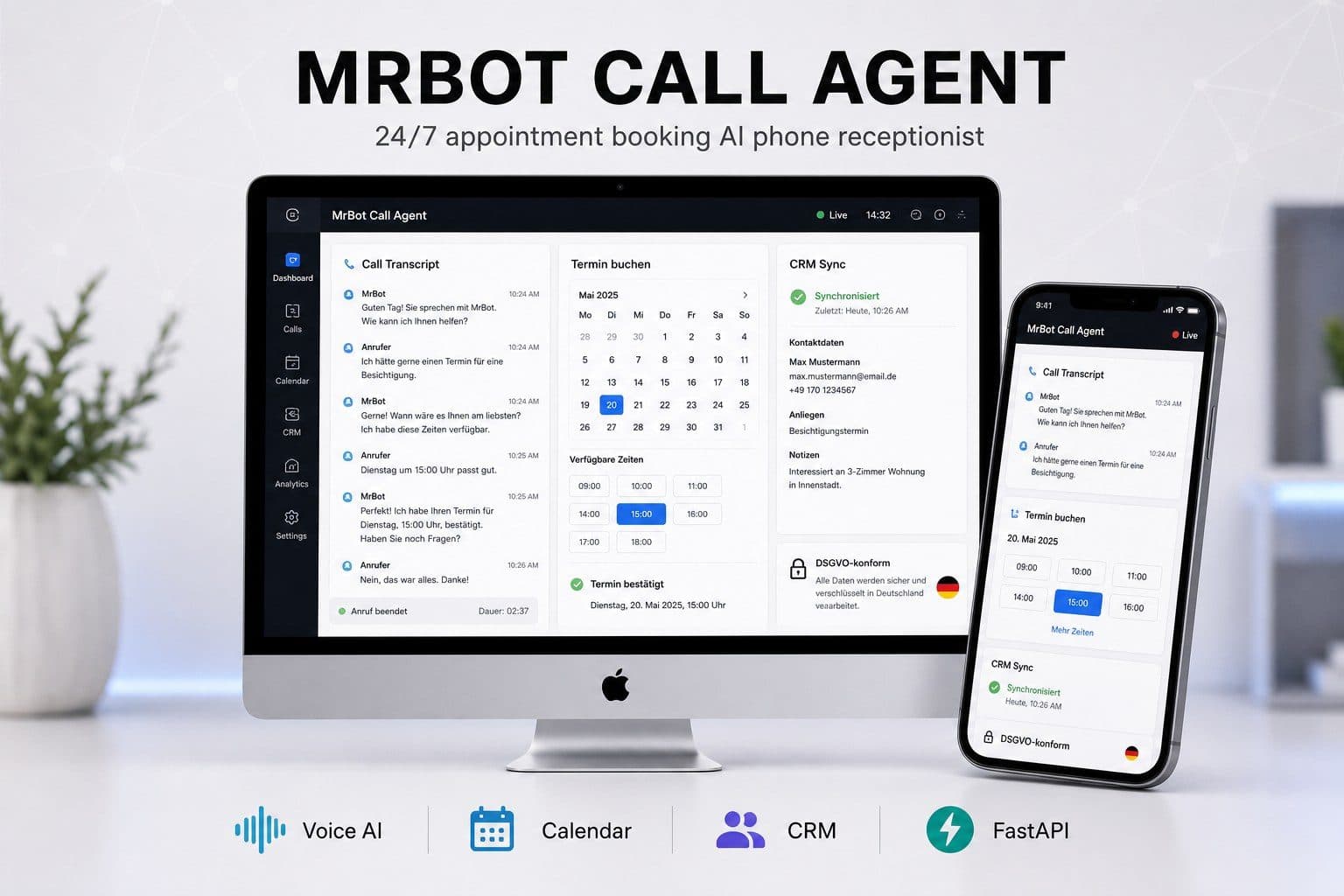
MrBot Call Agent
Inbound phone agent that answers, books and writes to the CRM, the same shape as a status line.
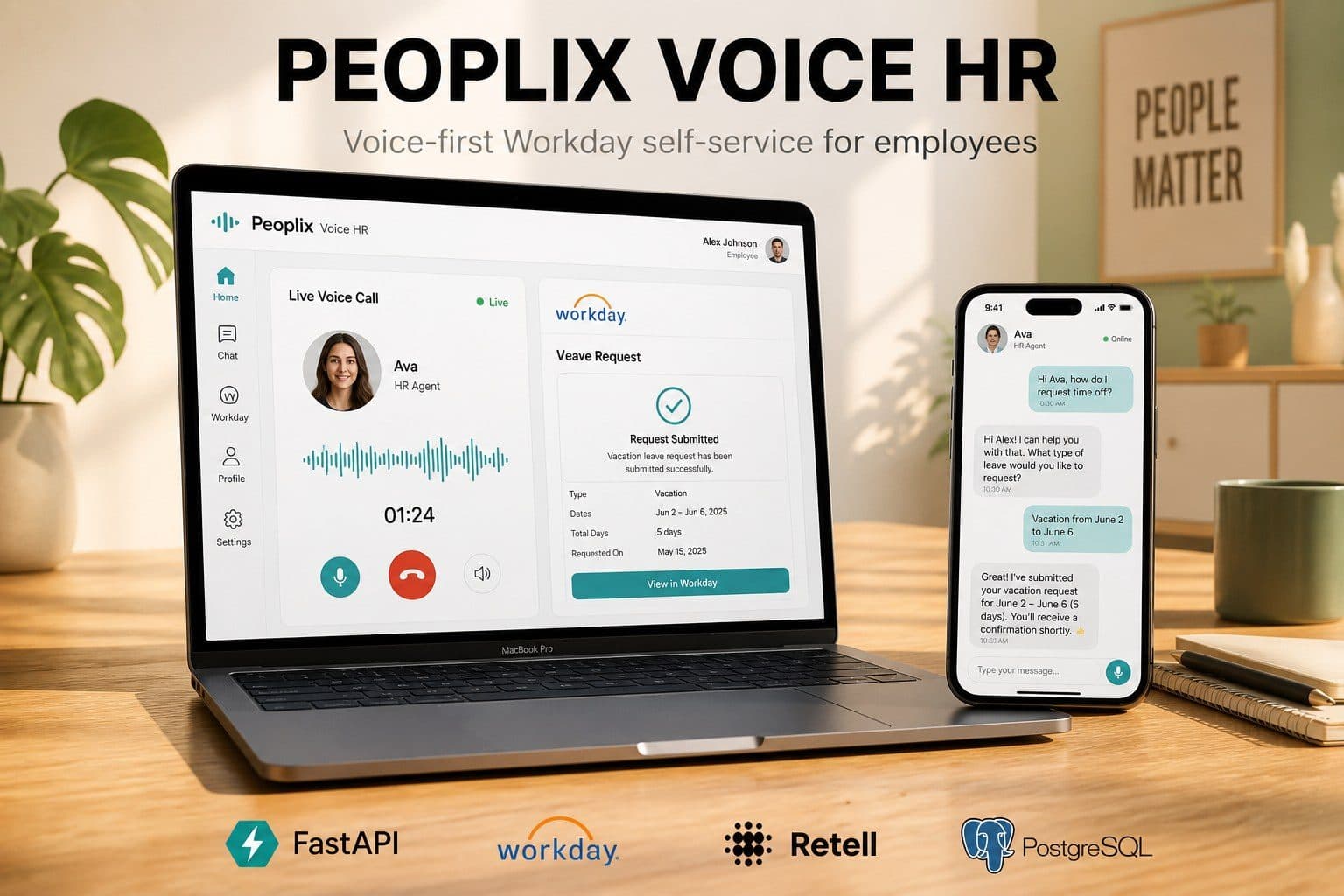
Peoplix Voice HR
Voice agent that verifies identity before it writes to a system of record, with a live operator console.
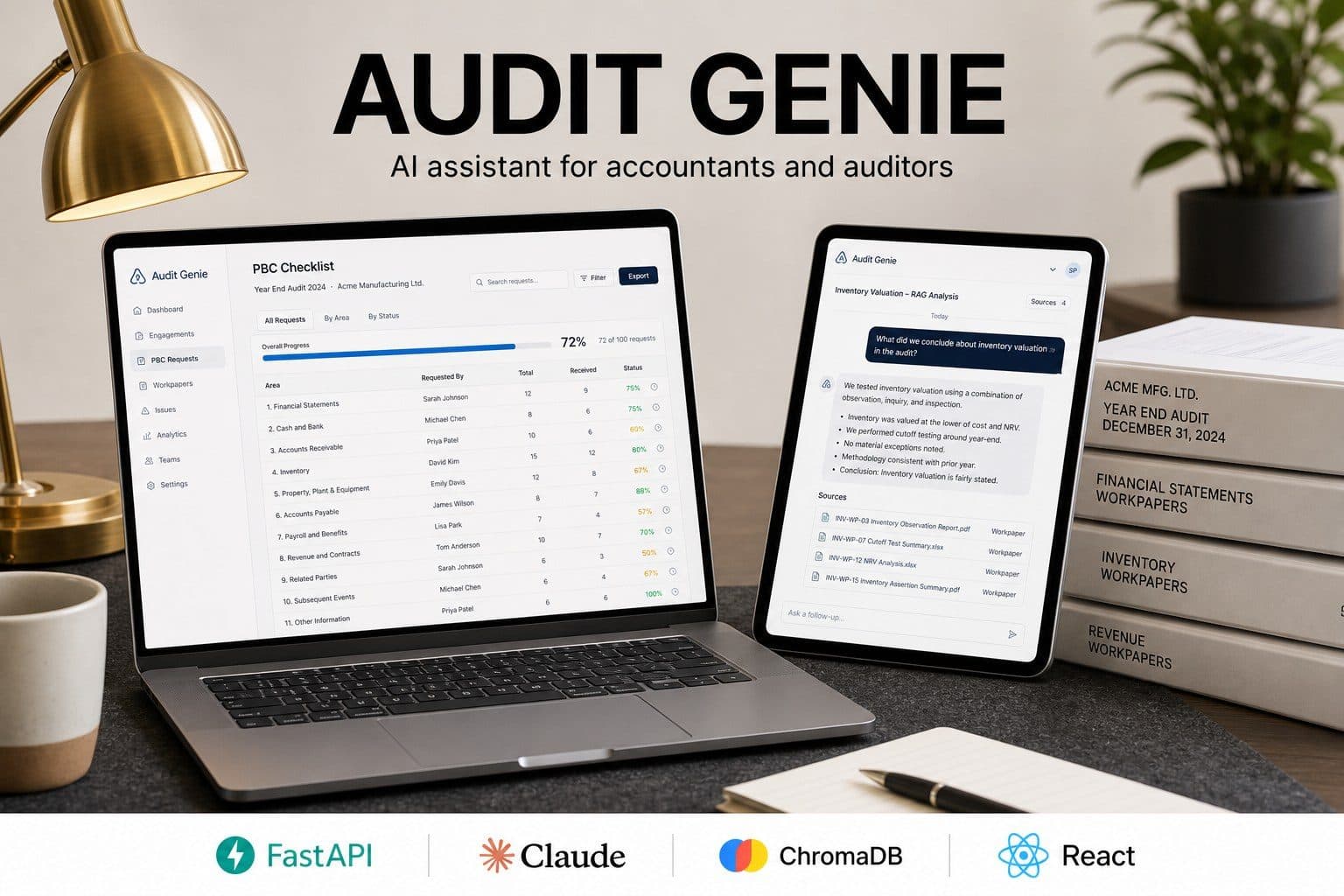
Audit Genie
Assistant that answers from a document corpus and rejects answers it cannot ground.
How a first project runs
- Pick one client-facing workflow. Often order status or exception alerts for one client. We agree what “working” means first.
- Connect read-only. We confirm which systems expose APIs or data access (warehouse, order, carrier) before promising scope.
- Build the answer or alert agent. Routine answers run unattended. Anything that writes to a record is approved by a person or a rule.
- Measure, then widen. Review real client requests with you, then extend to the next client or workflow.
Related work and reading
Frequently asked questions
Have you worked with a 3PL before?
Not on a published 3PL project. The voice, retrieval and approval patterns are in production in other settings, linked above, and we would start with a scoped discovery on one workflow so you can judge the fit before committing to more.
Which systems can you integrate with?
Anything that exposes an API, webhook or database access, such as REST and SOAP services. We confirm access to each system during discovery before agreeing scope.
Can the AI change orders or inventory?
Only where you decide it should, and gated. The usual starting point is read-only answers and exception alerts. Writes are added later behind rules or a human approval.
How is one client’s data kept apart from another’s?
Access and retrieval are scoped per client or workspace, so one client’s data is never used to answer another’s. We design this in from the first sprint.